
1. Introduction: The Silent Threat of Bone Loss
A beautiful smile and strong chewing ability rely on a hidden foundation: your jawbone. The jawbone is incredibly dynamic; it relies on the constant, daily stimulation of chewing (transferred through the roots of your teeth) to maintain its density and volume.
When you lose a tooth—whether through trauma, severe decay, or aggressive periodontal (gum) disease—that vital stimulation stops instantly. Recognizing that the bone in that specific area is no longer needed to support a tooth, the human body begins biologically recycling it. This process, known as bone resorption, happens rapidly. In the first year following a tooth extraction, you can lose up to 25% of the bone volume in that localized area.
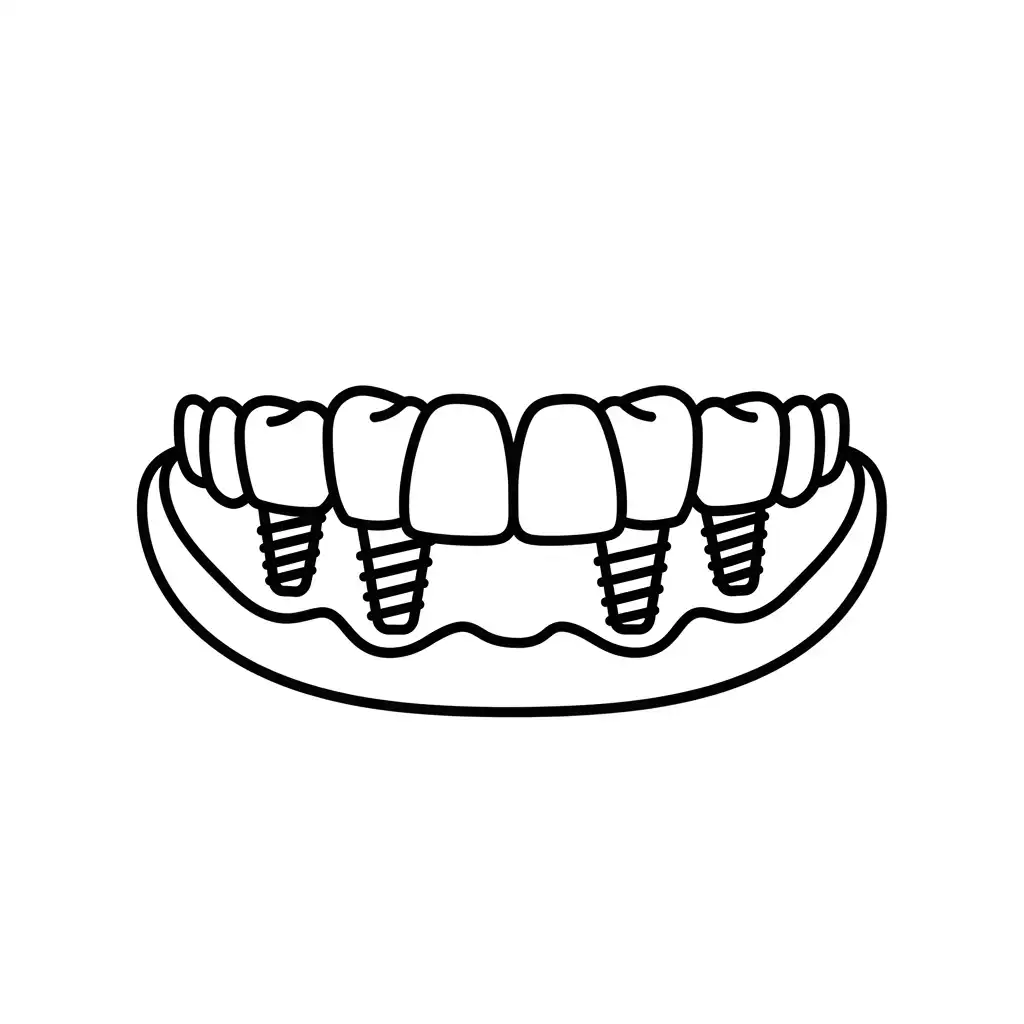
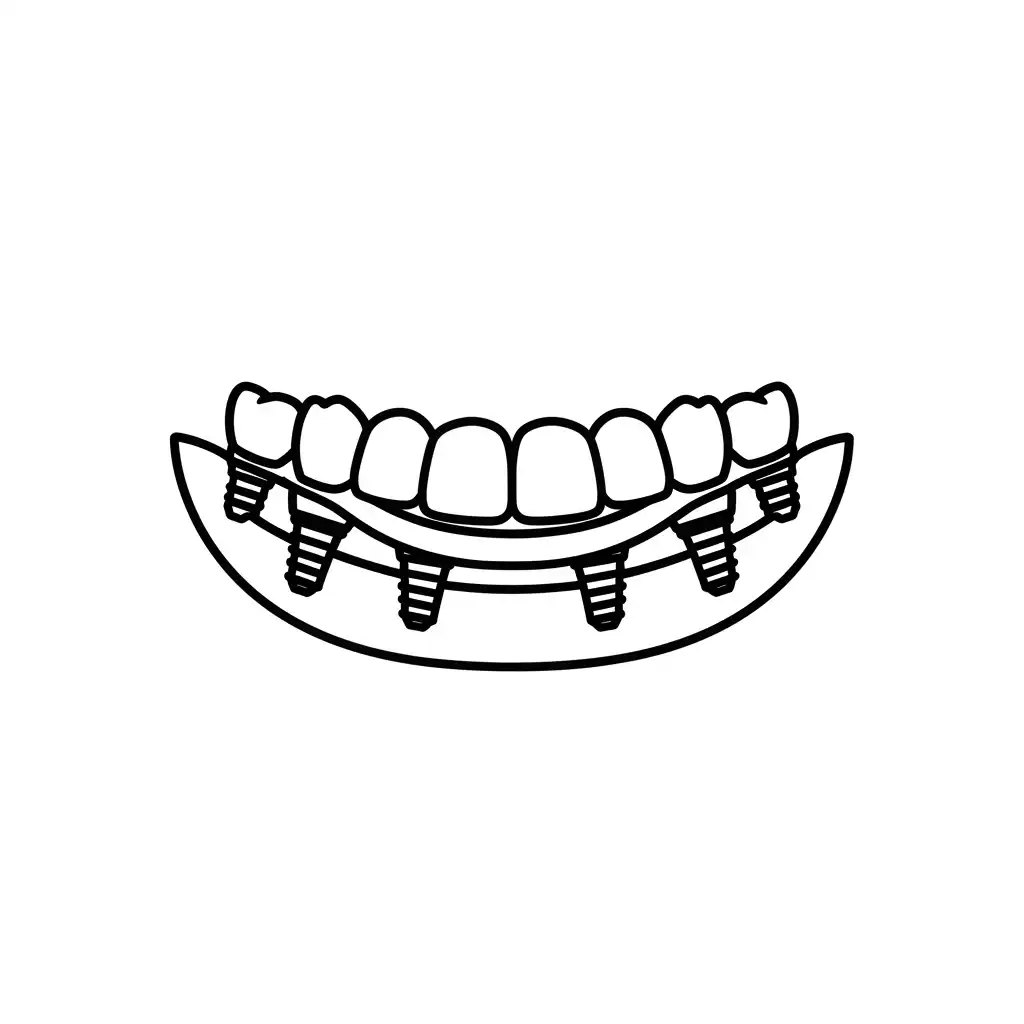
If this bone loss is left untreated for years, the jawbone becomes razor-thin and radically shrinks in height. Consequently, there is physically not enough foundation left to safely anchor a modern Dental Implant. Fortunately, modern oral surgery provides a highly successful, regenerative solution: Dental Bone Grafting. At Anatolia Smile, our surgical experts routinely perform advanced grafting procedures to literally rebuild your jaw, restoring your anatomy to a state where permanent, flawless tooth replacement is possible.
2. Why is Bone Grafting Necessary?
Bone grafting is not a cosmetic procedure; it is a critical structural prerequisite for long-term dental health. You may be advised to undergo a bone graft in the following primary scenarios:
- Preparing for Dental Implants: This is the most common reason. A titanium implant acts like a screw. If you try to place a thick screw into a piece of wood that is too thin, the wood will splinter. Similarly, an implant must be completely encased in dense, healthy bone to withstand the immense 200 psi pressures of chewing. If your bone is deficient, a graft must widen or heighten the ridge first.
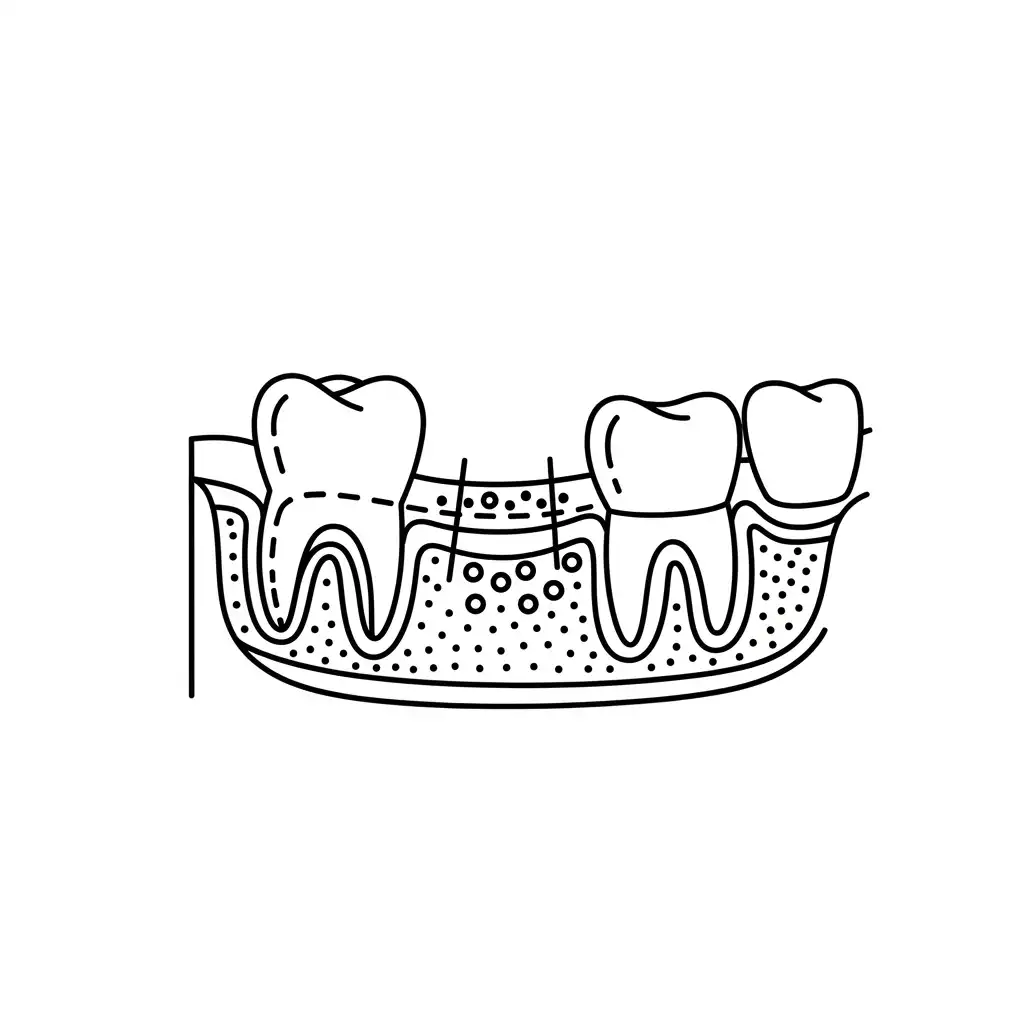
- Socket Preservation (After Extraction): If a badly decayed tooth must be removed, the resulting empty “socket” will naturally cave in as it heals. Our surgeons advocate for immediate socket preservation. During the extraction, we pack the empty hole with bone graft material. This prevents the bone from collapsing, preserving the perfect dimensions for a future implant.
- Saving Loose, Natural Teeth: Aggressive periodontal (gum) disease eats away at the bone supporting your natural teeth, causing them to loosen and eventually fall out. Careful bone grafting procedures around the roots of these affected teeth can regenerate the lost support, tightening the teeth and saving them from extraction.
- Restoring Facial Aesthetics: Severe, widespread bone loss in patients who have worn traditional dentures for decades leads to “facial collapse”—a sunken appearance around the mouth, deeply wrinkled lips, and a prematurely aged profile. Extensive bone grafting physically plumps the jaw back out, providing vital support underlying the facial muscles.
3. Understanding the Types of Bone Grafts
At Anatolia Smile, we exclusively utilize the safest, most scientifically proven, and highly sterilized grafting materials available on the global market. Depending on your specific anatomical needs, the surgeon will select the ideal graft type.
- Autograft (Your Own Bone): This is the “gold standard” because it contains your own living cells, guaranteeing rapid healing with zero risk of rejection. The surgeon takes a small block of bone from another area of your mouth (usually the back of the lower jaw or the chin) and transfers it to the deficient area. This is typically reserved for massive, complex reconstructions.
- Xenograft (Animal Source): This is the most frequently used material worldwide. It typically consists of bovine (cow) bone that has been processed at extremely high temperatures and sterilized to strip away all organic cellular material. What remains is a perfectly clean, porous, mineral matrix that acts as an ideal scaffold for your own bone to grow into.
- Alloplast (Synthetic): This is a man-made material, usually consisting of calcium phosphate or hydroxyapatite. It is completely safe, highly predictable, and slowly resorbs as your body replaces it with natural bone.
- Allograft (Human Donor): Similar to a Xenograft, this is freeze-dried, heavily sterilized bone sourced from a tissue bank. Like Xenografts, it serves solely as a structural framework.
Rest assured, all organic graft materials (Xenografts and Allografts) undergo rigorous FDA/CE-approved purification processes. They are structurally inert and carry virtually zero risk of disease transmission or immune rejection.
4. The Biological Miracle of “Guided Bone Regeneration”
When we place bone graft material into your jaw, we are not actually placing “new bone” that will stay there permanently. The graft material simply acts as a biological placeholder—a microscopic 3D scaffold.
Once the graft is packed into the deficient area, your body detects the scaffold. It responds by sending specialized cells called osteoblasts (bone-building cells) into the area. Over the course of 4 to 9 months, these osteoblasts slowly eat away the graft material and replace it, millimeter by millimeter, with your own, brand new, living jawbone.
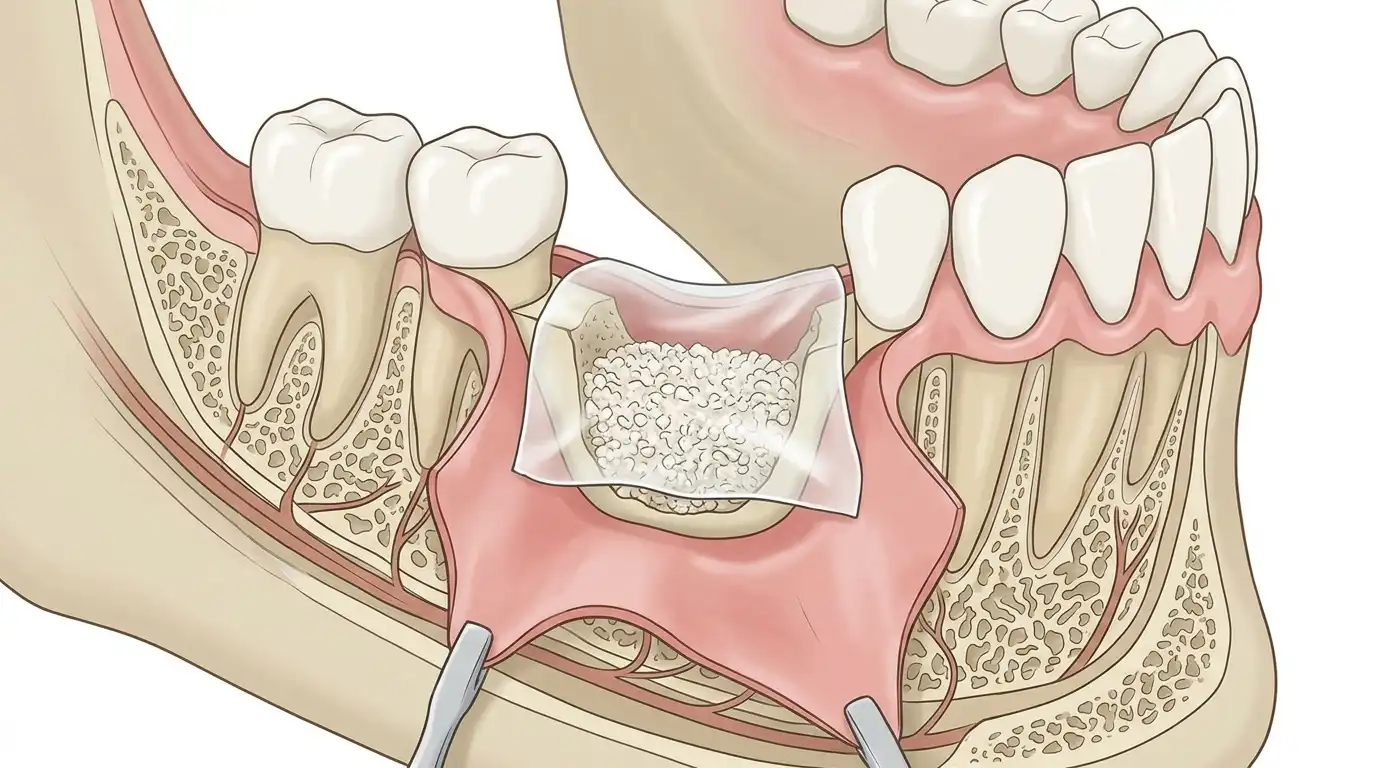
The Role of the Barrier Membrane: Gum tissue cells multiply and grow much faster than bone cells. If we simply place a bone graft into a cavity, the fast-growing gums would rush in and fill the space before the slow-growing bone had a chance to regenerate. To prevent this, surgeons use Guided Bone Regeneration (GBR). After placing the bone graft, the surgeon covers it with a specialized collagen membrane. This acts like a protective tent, keeping the rapid gum tissue out while creating a quiet, undisturbed sanctuary underneath where the bone can slowly and strongly rebuild itself.
5. The Anatolia Smile Surgical Protocol
Our approach to bone grafting is characterized by extreme precision, utilizing advanced 3D imaging to minimize trauma and maximize predictable healing.
Step 1: 3D Volumetric Analysis Using our in-house Cone Beam CT (CBCT) scanner, we map your jawbone in three dimensions. We measure the exact height and width of the bone deficiency down to the fraction of a millimeter. This allows us to plan exactly how much bone volume must be regenerated.
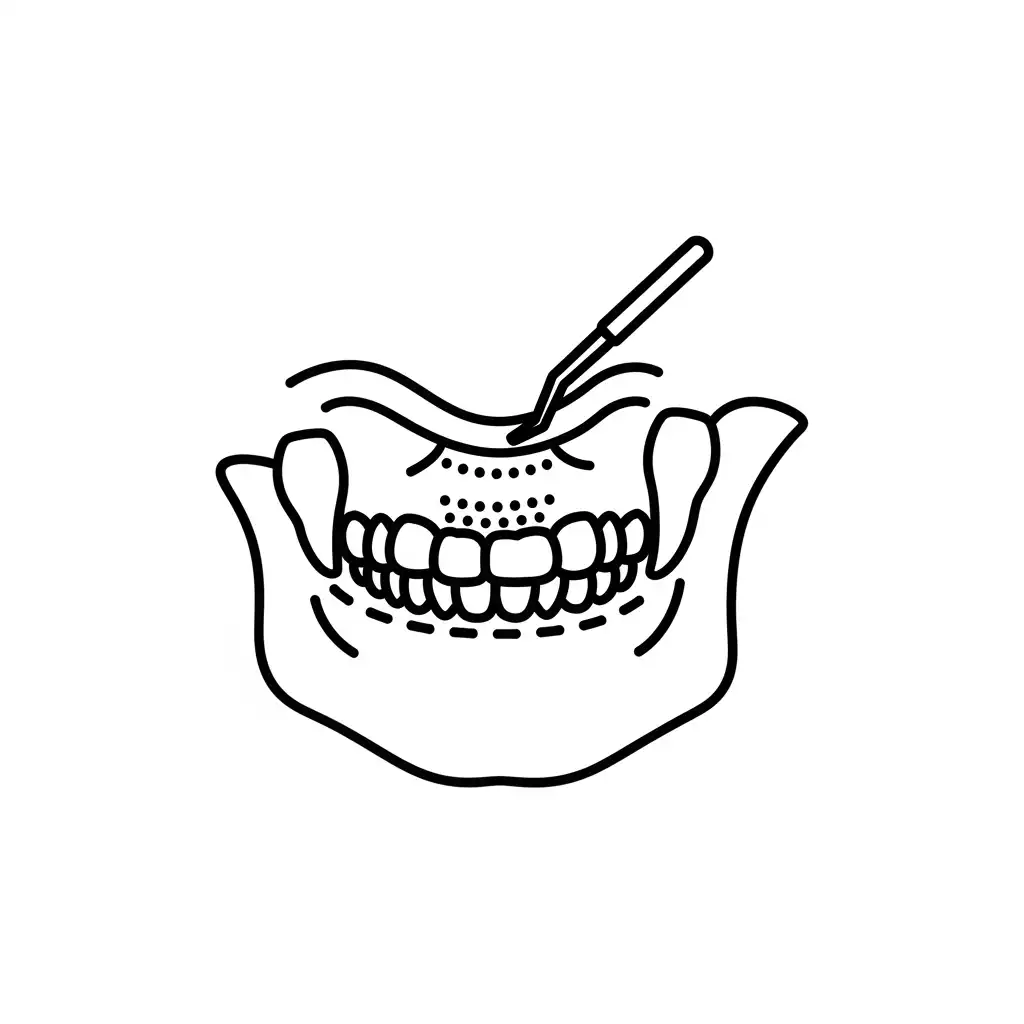
Step 2: The Surgical Procedure The procedure is performed entirely under localized anesthesia; you will feel no pain, only slight pressure. The surgeon makes a small incision in the gum tissue to expose the deficient bone. The selected bone graft particulate is expertly packed into the void, shaping it to the desired proper contour. The protective collagen membrane is placed over the graft, and the gum tissue is gently sutured closed.
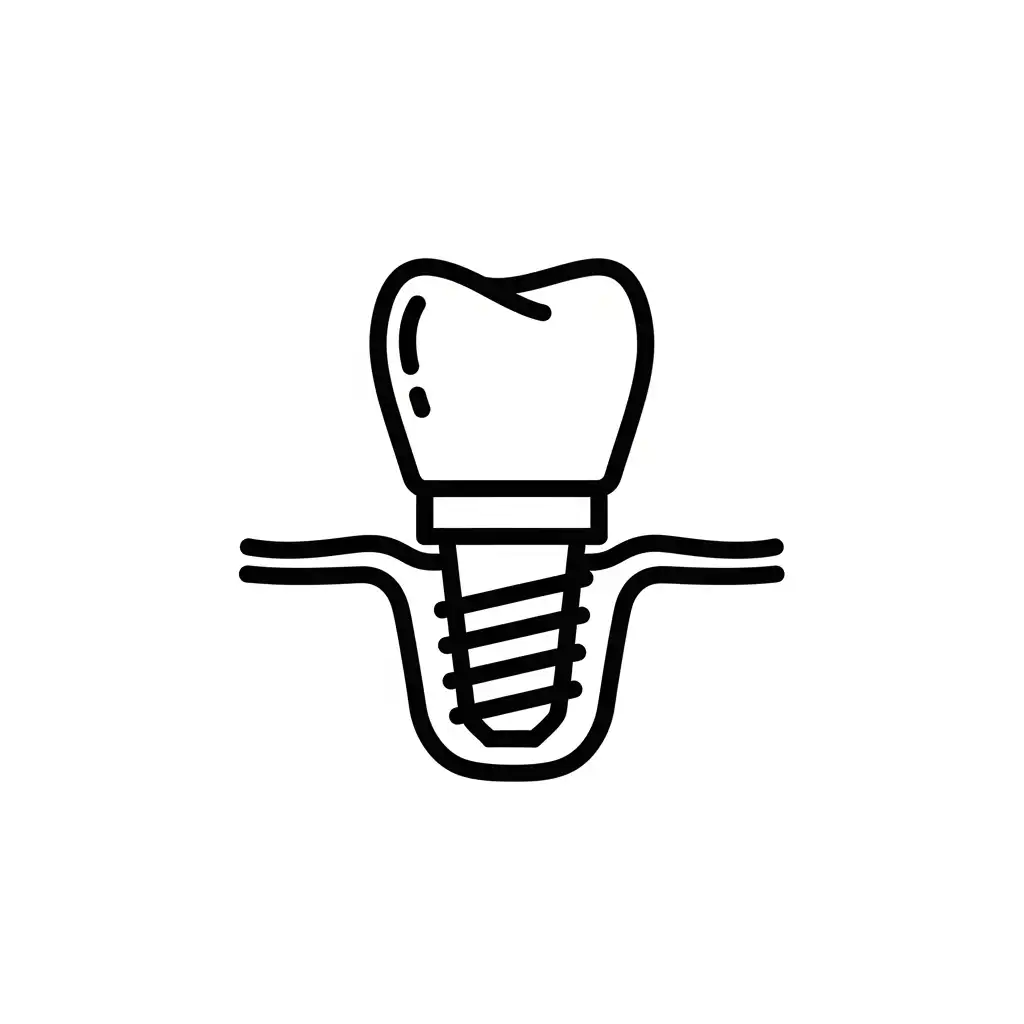
(Note: The One-Stage vs. Two-Stage Approach) If the bone defect is minor, we can often place the titanium dental implant during this exact same surgery, packing the graft material around the exposed threads of the implant. This is highly convenient. However, if the bone is drastically thin (e.g., paper-thin), the graft must be placed first, and you must wait 4 to 6 months for the bone to solidify before the implant can safely be anchored into it.
6. Post-Operative Care and Ensuring Success
Recovering from a standard bone graft is generally straightforward and surprisingly comfortable.
The First Few Days: You can expect moderate swelling in the surgical area, which peaks around day two. Bruising on the cheek may occasionally occur. Discomfort is easily managed with standard over-the-counter pain relievers, and we will often prescribe a short course of antibiotics to ensure the graft remains completely sterile and infection-free.
Protecting the Graft (Crucial Guidelines): The success of bone regeneration depends entirely on the graft remaining undisturbed while the blood supply establishes itself.
- Diet: You must adhere to a strict soft-food diet and chew on the opposite side of your mouth. Hard, crunchy foods (like chips or nuts) can physically disturb the graft site underneath the gums.
- Hygiene: You cannot forcefully brush the surgical site for several weeks. Instead, we will provide a specialized antibacterial mouthwash (Chlorhexidine) to gently bathe the area and keep it clean without mechanical disruption.
- The Absolute Mandate on Smoking: We cannot stress this enough: Smoking is the leading cause of bone graft failure. Nicotine forcefully constricts the tiny blood vessels in your gums, starving the new bone cells of the oxygen and nutrients needed to regenerate. If you smoke during the healing phase, the graft is highly likely to die and become infected. You must suspend smoking entirely during the critical initial weeks of healing.