
1. Introduction: The Pinnacle of Modern Tooth Replacement
Losing a tooth—whether due to severe decay, sudden trauma, or advanced gum disease (periodontitis)—is a distressing experience that impacts far more than just your appearance. A missing tooth compromises your ability to chew nutritious foods, alters your speech, and can severely impact your self-confidence. Historically, the only solutions were removable dentures or tooth-supported dental bridges, both of which come with significant functional and anatomical drawbacks.
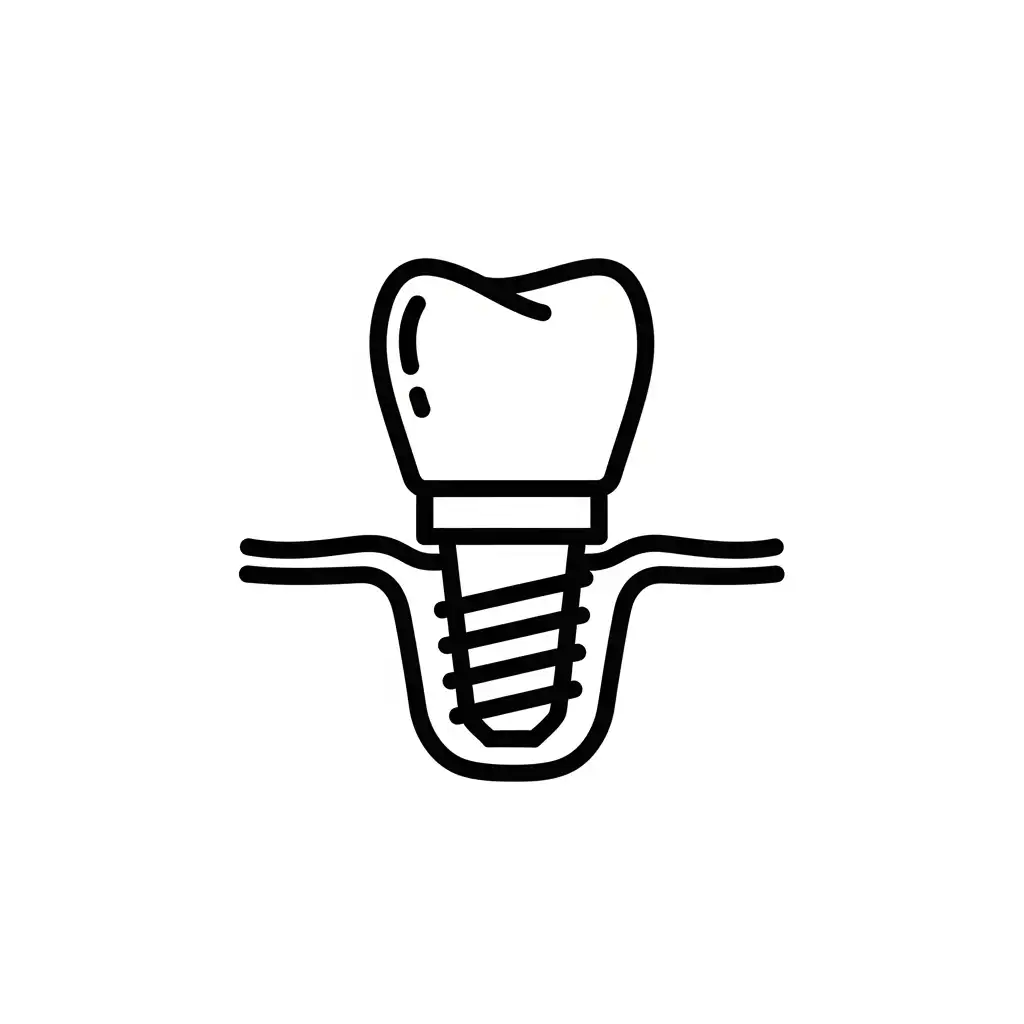
Today, Dental Implants represent the absolute gold standard and the most sophisticated solution in restorative dentistry. An implant is not merely a replacement for the visible part of the tooth; it is the only treatment that replaces the entire tooth structure, including the invisible root that anchors into the jaw. At Anatolia Smile, we specialize in high-precision, digital implantology, utilizing world-class titanium fixtures to permanently restore the function, health, and radiant aesthetics of your smile.
2. Who is the Ideal Candidate for Dental Implants?
Dental implants are highly versatile and represent the optimal solution for nearly anyone suffering from tooth loss. You are an excellent candidate if you relate to any of the following scenarios:
- Single Tooth Loss: If you have lost one tooth, a single implant topped with a custom porcelain crown is the perfect solution. It beautifully fills the gap without requiring the destructive grinding down of healthy adjacent teeth, which is necessary for a traditional three-unit bridge.
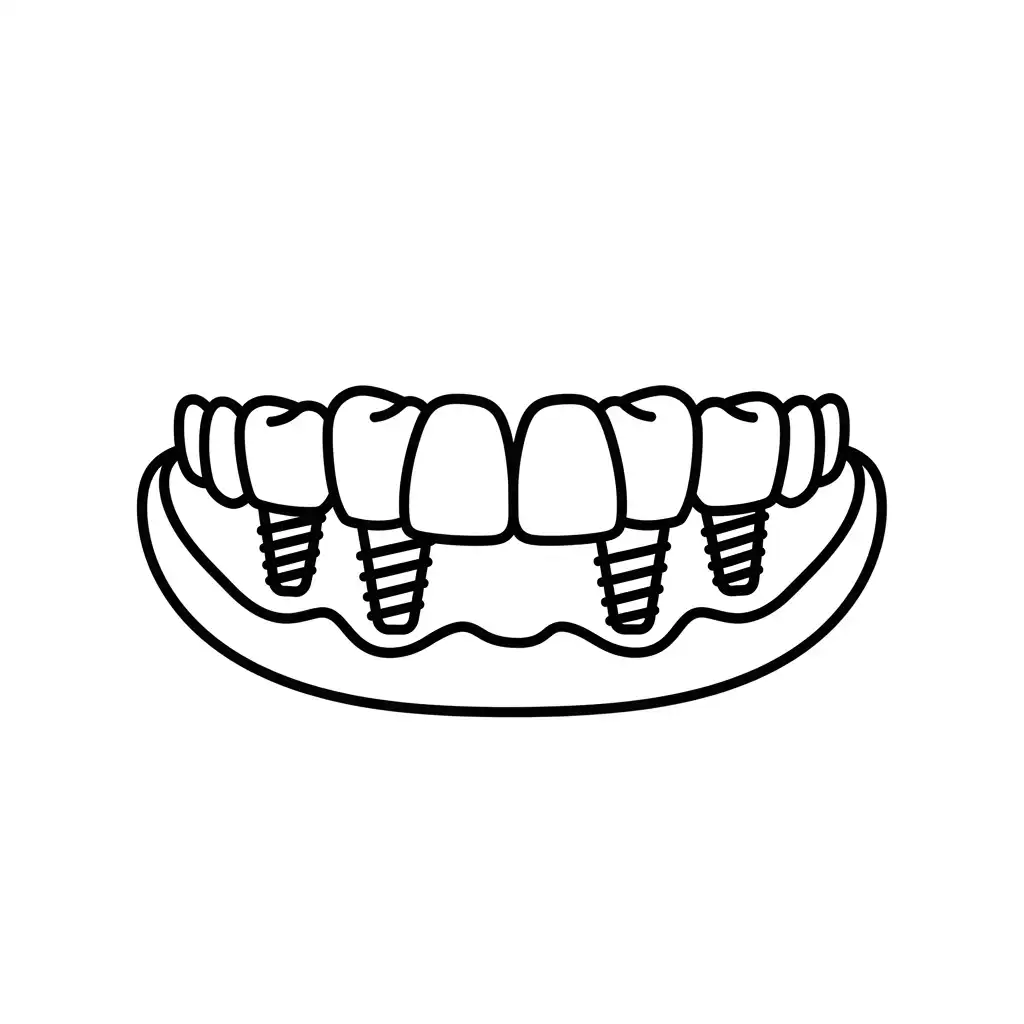
- Multiple Missing Teeth: If you are missing several teeth in a row, two or more implants can be strategically placed to firmly support a permanent “implant-supported bridge.” This avoids the need for a removable partial denture that uses unsightly metal clasps.
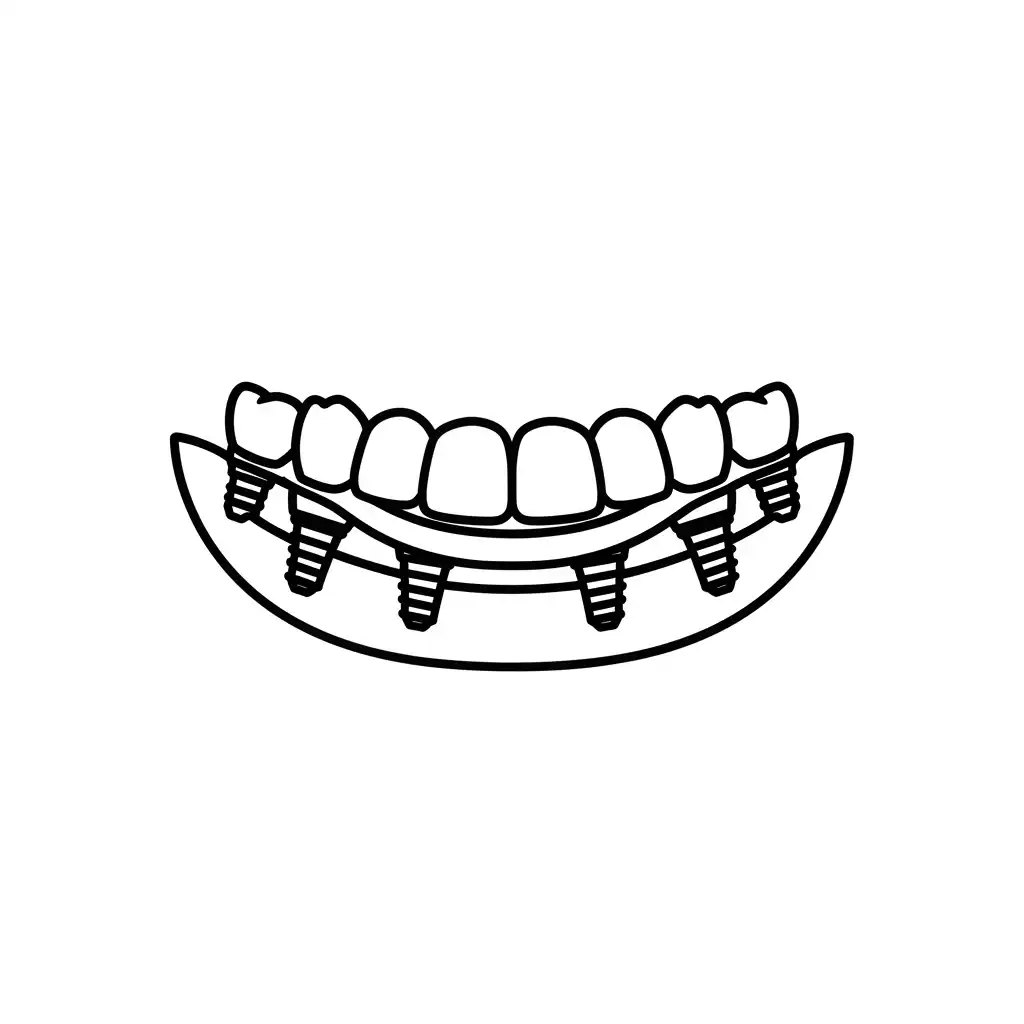
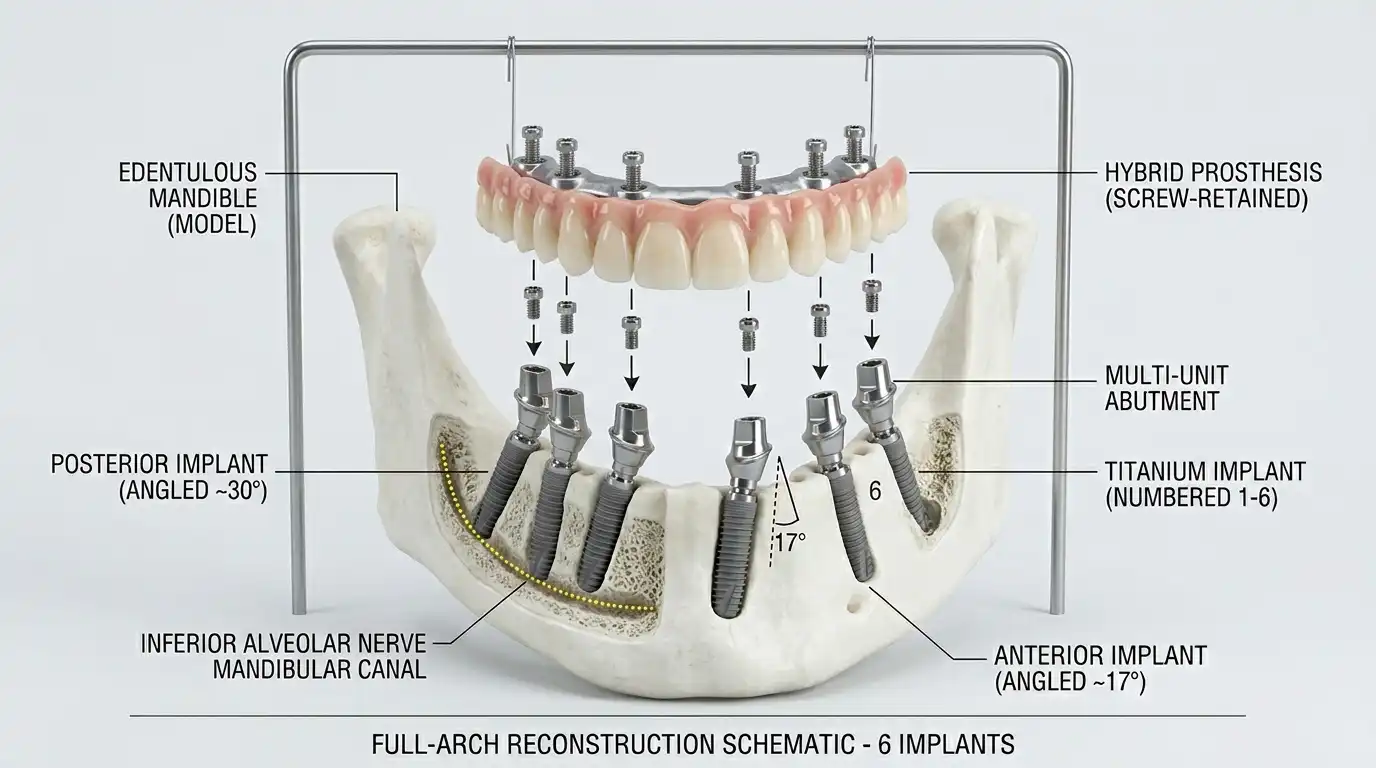
- Total Tooth Loss (Edentulism): For patients missing an entire upper or lower arch of teeth, implants offer a life-changing transformation. Techniques like the “All-on-4” or “All-on-6” protocols utilize a few strategically placed implants to securely bolt down a full set of permanent, non-removable teeth.
- Frustration with Removable Dentures: If you currently wear traditional dentures and suffer from them slipping, clicking, causing sore spots on your gums, or preventing you from tasting your food properly, implants provide a secure, liberating alternative.
General Health Requirements: Ideal candidates should have healthy gums, be free of active periodontal disease, and have adequate bone density. Conditions like uncontrolled diabetes, active radiation therapy to the jaw, or a heavy smoking habit can impair the healing process and lower the success rate of the implant.
3. The Anatolia Smile Approach: Precision, Brands, and Technology
The success and longevity of a dental implant are heavily dependent on two critical factors: the surgical expertise of the doctor and the quality of the implant hardware.
World-Class Implant Brands: We refuse to compromise on your health by using unproven or generic materials. Anatolia Smile exclusively partners with the world’s most trusted, scientifically backed, and globally recognized implant manufacturers. This includes premium Swiss and American brands like Straumann® and Nobel Biocare®, as well as high-quality, reliable international brands like Osstem® and Megagen®. Using globally recognized brands ensures that no matter where you travel in the world, any dentist will recognize the parts and be able to service your implant if ever necessary.
Advanced Digital Implantology: We do not rely on traditional, “freehand” guesswork. Every implant surgery at Anatolia Smile is meticulously planned using advanced digital technology. We utilize 3D Cone Beam Computed Tomography (CBCT) to visualize your facial anatomy, nerves, and sinus cavities in high definition. Using planning software, our oral surgeons virtually place the implant on the computer before you even sit in the chair. In complex cases, we utilize 3D-printed surgical guides to precisely dictate the exact angle and depth of the drill, minimizing surgical trauma, accelerating surgery time, and ensuring a virtually flawless placement.
4. Understanding the Biology: Osseointegration
The remarkable success of dental implants relies on a fascinating biological phenomenon discovered in the 1950s known as osseointegration.
Dental implants are machined from medical-grade titanium (or titanium alloys). Titanium possesses a unique, highly biocompatible property: the human body does not recognize it as a foreign object. Once the implant is placed into the jaw, living bone cells (osteoblasts) actively migrate toward the titanium surface. Over a period of 2 to 4 months, the bone grows into the microscopic roughened grooves of the implant, permanently locking it into place.
It is this profound biological fusion that allows a dental implant to withstand the immense biting forces of the human jaw—up to 200 pounds of pressure per square inch—without moving, failing, or causing pain.
5. Potential Preparatory Procedures: Bone Grafting and Sinus Lifts
For an implant to be successful, it must be surrounded by a sufficient volume of dense, healthy bone. When a tooth is extracted, the bone in that specific area immediately begins to resorb (melt away) because it is no longer stimulated by chewing forces. If a tooth has been missing for years, or if severe gum disease destroyed the bone, you may not have enough foundation left to securely hold an implant.
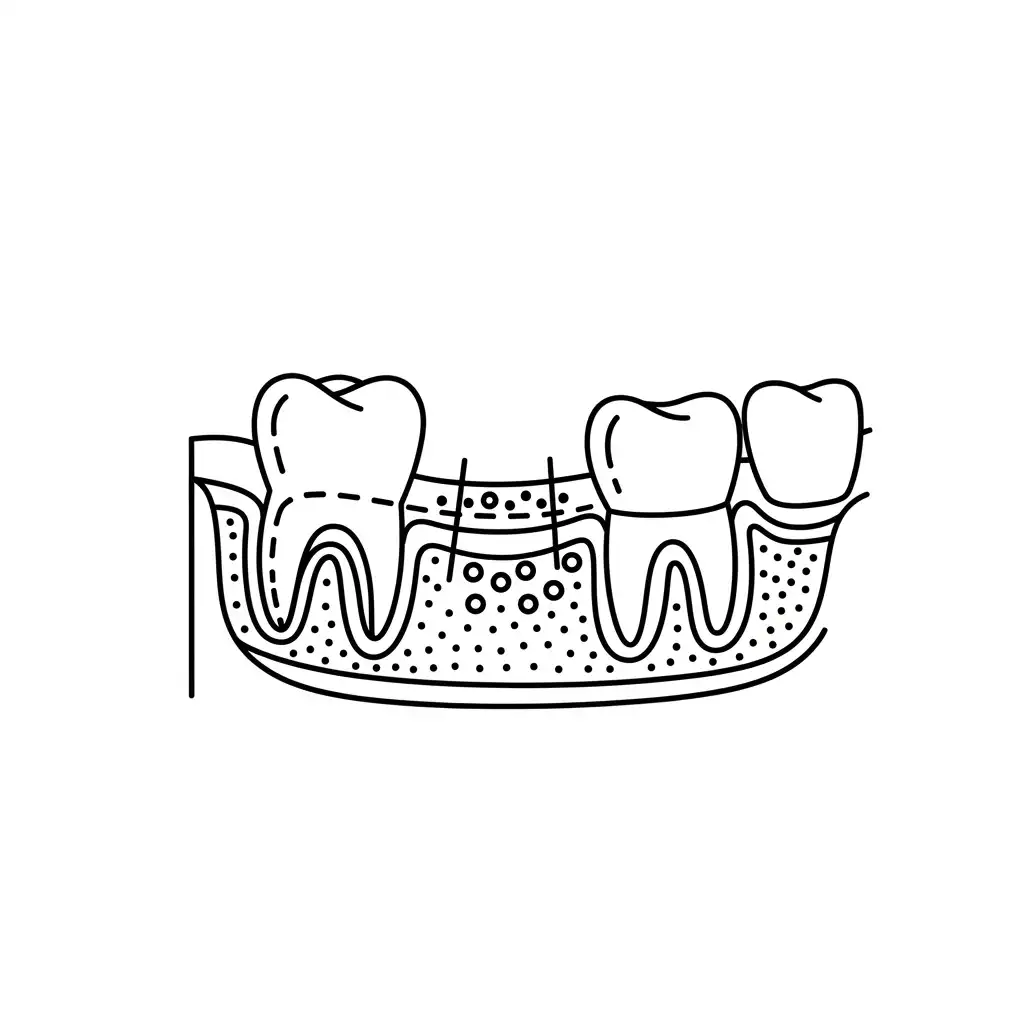
Bone Grafting: If our 3D scans reveal inadequate bone width, we can perform a bone grafting procedure. This involves placing sterile bone particulate (often a mix of synthetic and natural minerals) into the deficient area. Over several months, your body replaces this graft with strong, new, natural bone, creating a solid base for future implant placement.
Sinus Lifts: In the upper back jaw (the molar area), the maxillary sinus cavity sits directly above the roots of the teeth. If teeth are lost in this region, the sinus floor can drop, leaving very little bone between the mouth and the sinus cavity. A sinus lift is a specialized grafting procedure where the sinus membrane is gently pushed upward, and bone graft material is packed underneath it to increase the vertical height of the upper jawbone, allowing for safe implant placement.
(Note: Depending on the severity of bone loss and the stability achieved, bone grafting can sometimes be performed simultaneously with the implant placement, while other times it requires a separate healing period first.)
6. Post-Surgical Recovery and Aftercare
The surgical phase of getting a dental implant is surprisingly straightforward and well-tolerated by the vast majority of patients.
The First 48 Hours: Immediately following the placement of the titanium post, you may experience minor swelling, slight bruising in the cheek or jaw area, and mild discomfort. This is a normal inflammatory response to surgery. Biting down on a gauze pad will control any minor bleeding, and applying an ice pack to the side of your face will significantly reduce swelling. We will prescribe appropriate anti-inflammatory medications and antibiotics (if necessary) to ensure a comfortable and infection-free recovery.
The Soft Diet Phase: While the gum tissue heals quickly within a week, the critical osseointegration process happening deep within the bone takes months. To avoid disturbing the implant as it fuses with the bone, it is imperative to adhere to a soft-food diet on the side of the mouth where the surgery was performed for the first few weeks. Avoid hard, crunchy, or chewy foods that require significant biting force.
Long-Term Maintenance: Once your final permanent porcelain crown is attached, your new implant requires the exact same care as your natural teeth.
- Impeccable Oral Hygiene: Brush thoroughly twice a day and floss daily. While the titanium implant cannot get a cavity, the gum tissue surrounding it is highly susceptible to infection (a condition known as peri-implantitis) if plaque and tartar are allowed to accumulate.
- Professional Cleanings: Visit your local dentist every six months for professional cleanings to remove hardened calculus and monitor the health of the bone supporting your implant.
- Quit Smoking: Smoking heavily restricts blood flow to the gums and significantly impairs the body’s ability to heal and fight off infection, drastically increasing the risk of implant failure. If you smoke, we strongly advise quitting or significantly reducing your habit during the entire implant process.