
1. Introduction: The Unique Challenge of the Upper Jaw
Replacing missing teeth in the very back of the mouth (the molars and premolars) presents one of the most common and complex challenges in implant dentistry.
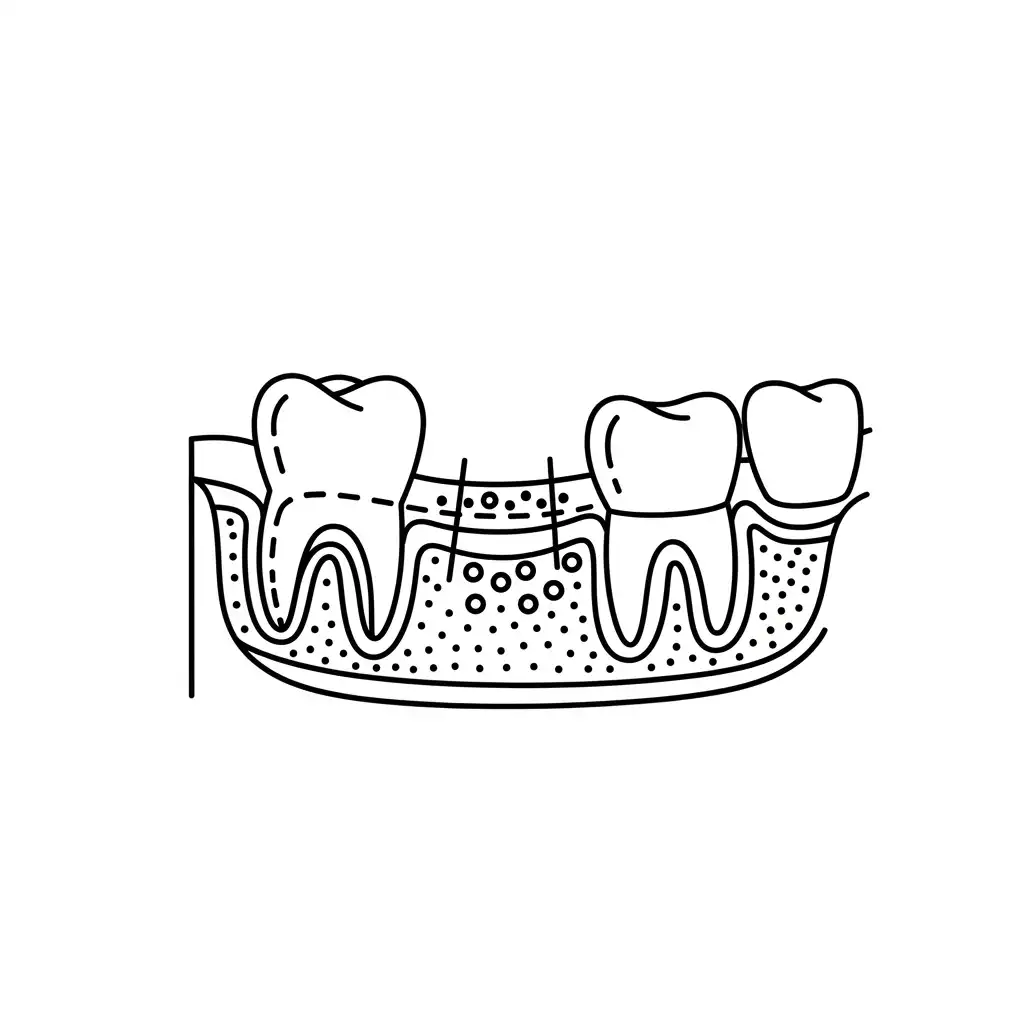
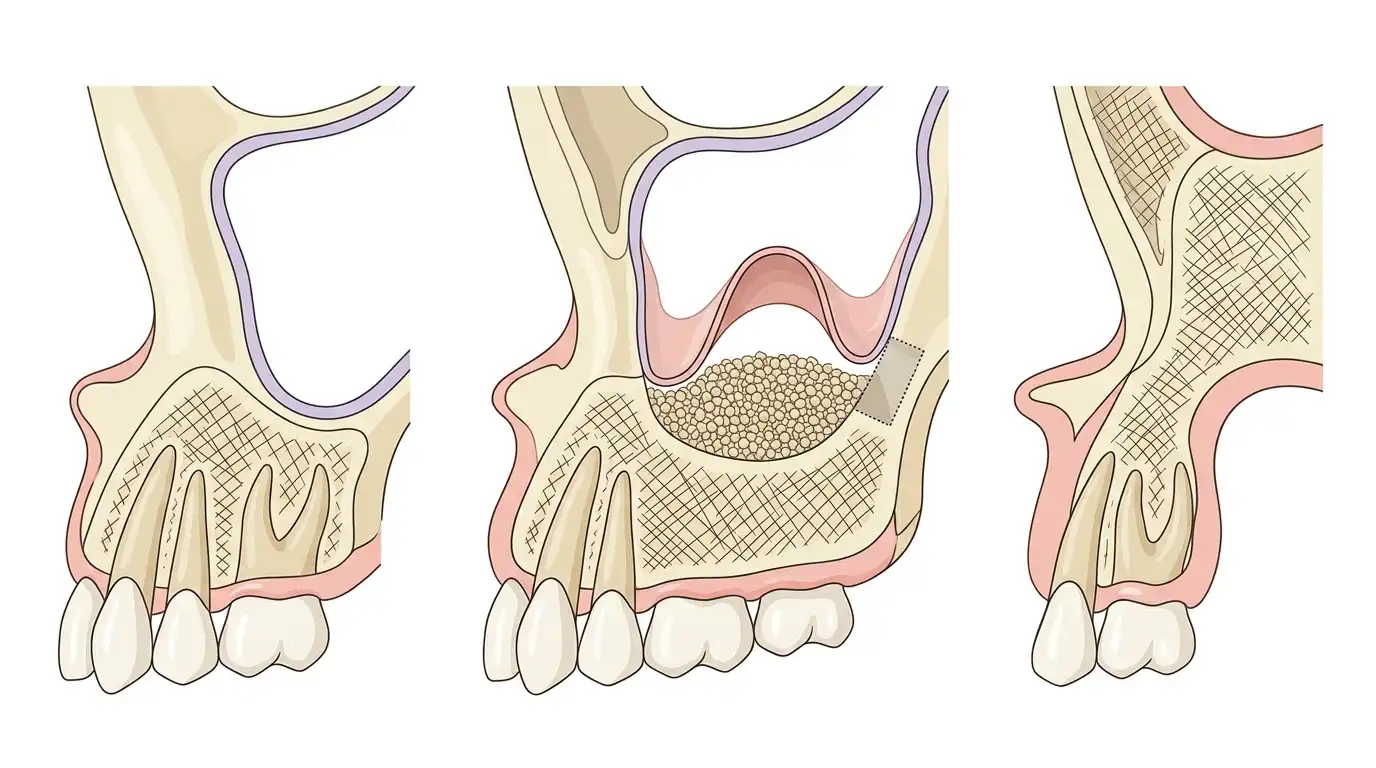
Unlike the dense, solid bone of the lower jaw, the upper jaw (maxilla) is naturally softer and more porous. More importantly, resting directly above the roots of your upper back teeth are the maxillary sinuses—hollow, air-filled cavities located behind your cheeks and above your upper jaw.
In a healthy mouth, the roots of the upper molars extend upward, almost touching the floor of the sinus cavity. When these upper teeth are lost or extracted, two detrimental biological changes rapidly occur:
- Bone Resorption (Melting): The jawbone immediately begins to shrink in height and width because it is no longer stimulated by chewing forces.
- Sinus Pneumatization (Expansion): Simultaneously, the empty maxillary sinus cavity naturally tends to expand downward, invading the space where the tooth roots used to be.
The combination of bone melting upward and the sinus expanding downward leaves patients with a perilously thin sheet of bone separating their mouth from the sinus cavity. It is physically impossible to anchor a titanium dental implant (which requires depth and density) into bone that is only a millimeter or two thick.
To overcome this anatomical hurdle, maxillofacial surgeons utilize a brilliant regenerative procedure: The Sinus Lift (or Sinus Augmentation). At Anatolia Smile, our surgical experts routinely perform this delicate operation to safely rebuild the necessary vertical bone height, making successful, lifelong dental implants a reality for our patients.
2. When is a Sinus Lift Absolutely Necessary?
A sinus lift is only required for implants being placed in the posterior (back) of the upper jaw. It is never needed for lower jaw implants or implants placed in the front of the mouth (incisors and canines).
You will likely require a sinus lift if your 3D CBCT scan reveals any of the following scenarios:
- Long-Term Tooth Loss: If your upper back teeth have been missing for several years, significant bone resorption and sinus expansion have almost certainly occurred.
- Severe Periodontal Disease: Advanced gum disease systematically destroys the jawbone surrounding the roots. By the time the teeth finally fall out or are extracted, there is often very little bone left leading up to the sinus cavity.
- Naturally Large Sinuses: Some individuals are simply born with exceptionally large maxillary sinuses. Even immediately after a tooth extraction, their natural bone height may be insufficient to support an implant without protruding into the sinus cavity.
- Traumatic Tooth Extraction: If an upper molar was removed brutally or with significant trauma in the past, it can take a large chunk of the alveolar bone with it, leaving a massive vertical defect near the sinus.
3. The Surgical Protocol: Precision and Preservation
A sinus lift is one of the most delicate procedures in oral surgery because it involves manipulating the Schneiderian membrane—the incredibly thin lining of the sinus cavity, which is delicate and fragile like the membrane inside an eggshell.
At Anatolia Smile, we perform this procedure with unparalleled precision, utilizing piezosurgery (ultrasonic instruments that easily cut hard bone without ever cutting soft tissue like the membrane) to ensure absolute safety.
There are two primary techniques for performing a sinus lift, and the choice depends entirely on how much of your native bone currently remains:
Technique A: The Lateral Window Sinus Lift (For Severe Bone Loss)
If you have very little native bone remaining (e.g., only 1 to 4 millimeters), the classical “Lateral Window” approach is required.
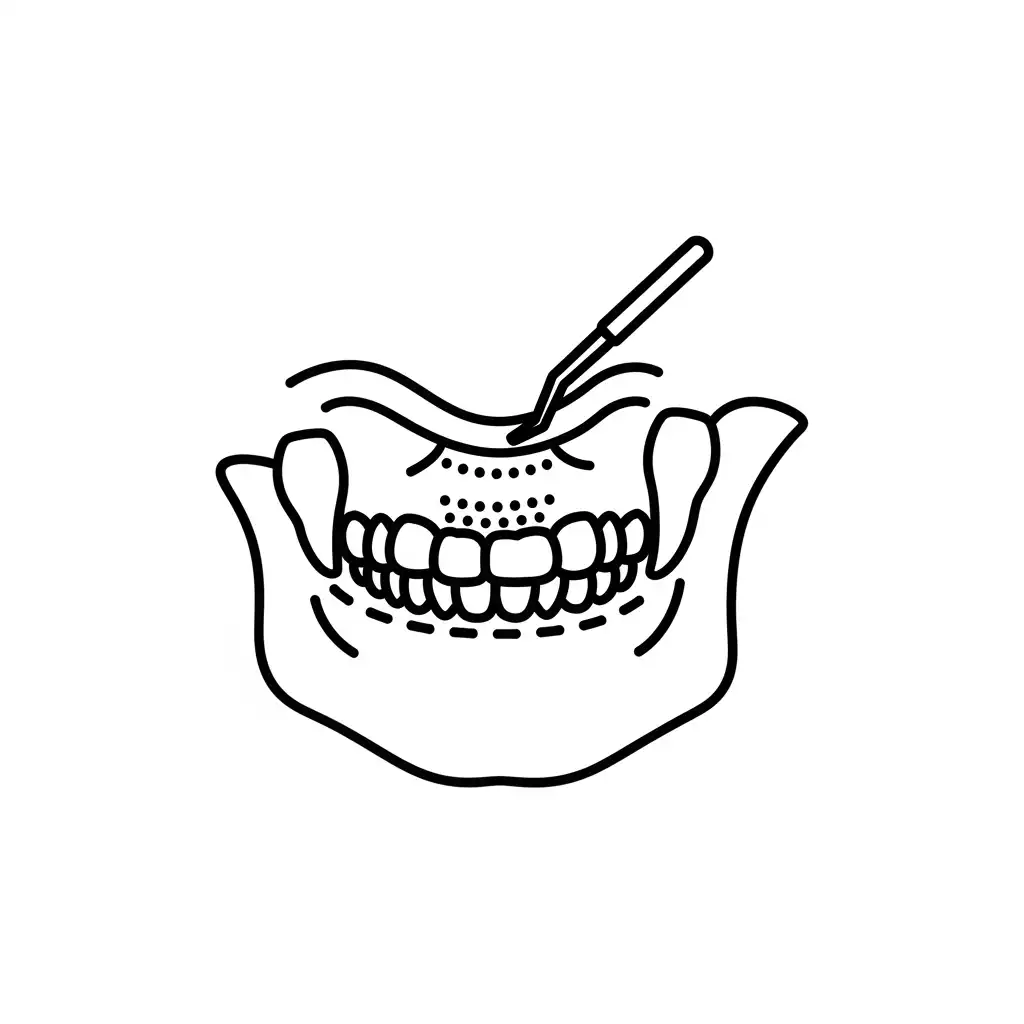
- Surgical Access: Under profound local anesthesia or IV sedation, the surgeon creates a small incision in the gum tissue on the side of the upper jaw, exposing the bone of the cheek.
- Creating the Window: A tiny, oval-shaped window is carefully drafted into the bone using piezoelectric instruments, revealing the bluish-grey sinus membrane underneath without puncturing it.
- Lifting the Membrane: Using specialized, blunt hand instruments, the surgeon very gently detaches the sinus membrane from the floor of the bony cavity and pushes it upward, creating an empty “tent” space underneath.
- Packing the Graft: Highly sterilized, premium bone graft material (usually a Xenograft matrix) is tightly packed into the space beneath the elevated membrane.
- Closure: The bony window is covered with a collagen barrier membrane, and the gums are sutured closed. The bone graft must now heal and solidify into natural bone over the next 6 to 9 months before implants can be deeply anchored.
Technique B: The Crestal Sinus Lift (For Mild to Moderate Bone Loss)
If you already possess a moderate amount of native bone (e.g., 5 to 7 millimeters) but just need a little extra height to accommodate the implant, the much faster “Crestal” approach is used. This is often called a One-Stage Procedure.
- Drilling the Implant Site: The surgeon begins by drilling the vertical channel into the gum exactly where the future implant will go. They stop drilling just a fraction of a millimeter shy of the sinus floor.
- Tapping the Floor: Special instruments are used to gently “tap” and fracture the paper-thin floor of the sinus, pushing the membrane upward through that single vertical hole.
- Simultaneous Placement: A small amount of bone graft is pushed up into the space, and the actual titanium dental implant is screwed into place immediately. The implant itself holds the graft and the membrane up while the bone heals around it over the next 4 months.
4. The Biological Process of Regeneration
Whether a lateral or crestal lift is performed, the biological miracle that follows is identical to a standard bone graft.
The sterilized bone particulate we pack into your sinus floor serves as a stable, 3D scaffold. Over the following months, the rich blood supply in the sinus cavity detects this scaffold. Your body dispatches osteoblasts (bone-building cells), which slowly digest the graft material and replace it with your very own, living jawbone.
What was once empty air within the sinus cavity is transformed into dense, strong bone. This new, reinforced floor guarantees that your future titanium implant will be securely anchored and will never inadvertently penetrate the delicate sinus space, preventing a lifetime of chronic sinus infections.
5. Post-Operative Care: Protecting the Lift
The recovery from a sinus lift requires strict adherence to post-operative instructions. The primary goal is to ensure the bone graft remains stabilized and the sinus membrane is not subjected to extreme pressure variations that could cause it to tear or dislodge the graft.
The First Two Weeks:
- Swelling and Bleeding: Significant swelling of the cheek and upper lip is entirely normal and peaks on the second or third day. You may also experience minor bleeding or spotting from the nose on the side of the surgery; this is expected and should resolve quickly.
- Pain Management: Discomfort is usually mild to moderate. We will prescribe appropriate pain relievers and a strict regimen of antibiotics and antibacterial mouthwashes to eliminate any risk of infection.
- Decongestants: We often prescribe nasal decongestants (like Sudafed or Affrin) to keep the nasal passages open and prevent fluid buildup in the sinuses during the healing phase.
Crucial Behavioral Restrictions (The “Sinus Precautions”): For 3 to 4 weeks after the surgery, you must absolutely avoid any actions that create high pressure within your nasal or sinus cavities:
- Do not blow your nose. Gently dab it with a tissue if it runs.
- If you must sneeze, do so with your mouth wide open to expel the pressure forward, rather than forcefully through your nose.
- Avoid heavy lifting or strenuous exercise that causes you to grit your teeth and strain.
- Avoid flying in an airplane or scuba diving, as sudden barometric pressure changes can be disastrous to the healing membrane.
- Do not smoke or use straws. The suction created in the mouth can disturb the surgical site, and smoking severely restricts blood flow, leading to graft failure.
By strictly following these protocols, your sinus lift will heal predictably, providing the flawless, permanent foundation required to anchor your new, beautiful smile for decades to come.