
1. Introduction: The Power of a Radiant Smile
A bright, white smile is universally recognized as a symbol of health, youth, and vitality. Unfortunately, as we age, our teeth naturally tend to lose their brilliance. The porous nature of dental enamel absorbs organic pigments from the foods we eat and the beverages we drink every single day. Over time, what was once a pearlescent white smile gradually transforms into a dull, yellowish, or heavily stained appearance.
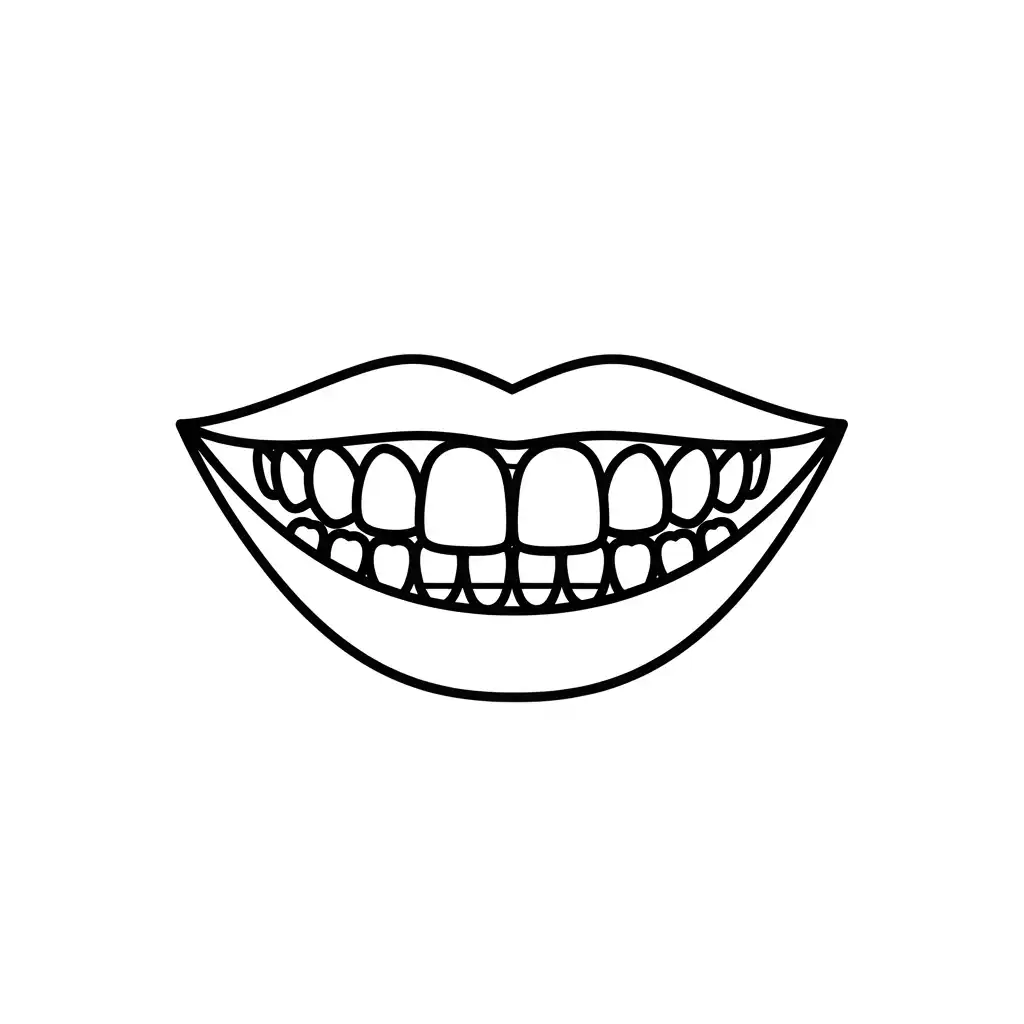
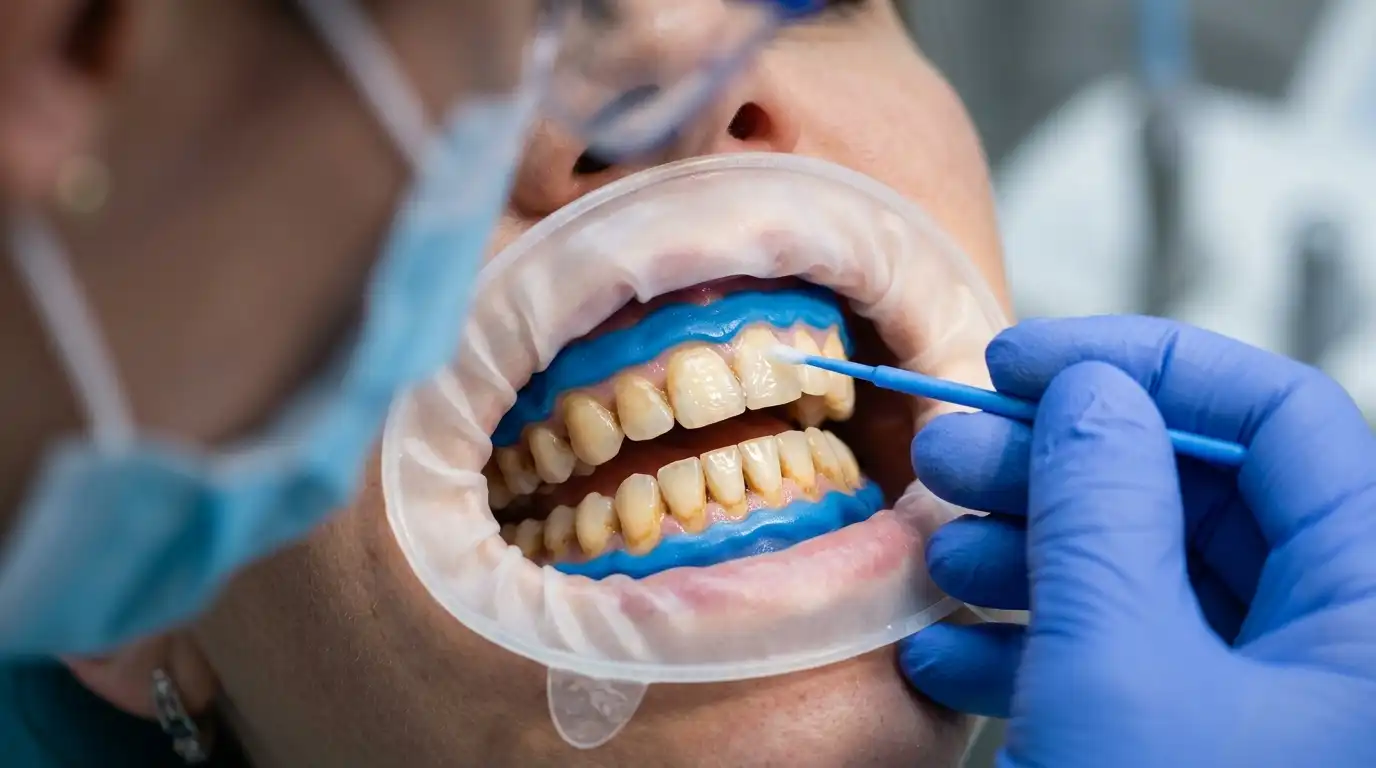
Professional Teeth Whitening (also known as dental bleaching) is the safest, fastest, and most cost-effective cosmetic dental procedure available to instantly reverse these signs of aging. At Anatolia Smile, we utilize state-of-the-art clinical whitening systems that far surpass the capabilities of any at-home kits or over-the-counter strips. Instead of waiting weeks to see minor changes, our in-office laser whitening protocols can dramatically lighten the color of your teeth by up to eight shades in less than a single hour.
2. Who Should Consider Professional Teeth Whitening?
Whitening is a fantastic and completely non-invasive option for almost anyone looking to refresh their appearance without undergoing structural dental work like veneers or crowns. It is particularly effective for individuals experiencing:
- Extrinsic Staining (Surface Stains): This is the most common form of discoloration. It is caused by the accumulation of highly pigmented food and drinks over the years. Coffee, black tea, red wine, dark sodas, berries, and heavily spiced curries are notorious for embedding stains into the enamel.
- Tobacco Discoloration: Smoking or chewing tobacco rapidly coats the teeth with tar and nicotine, resulting in deep, stubborn yellow or brownish stains that regular brushing simply cannot remove. Professional whitening breaks down these tough chemical bonds.
- Age-Related Yellowing: As we grow older, the outer layer of white enamel naturally thins due to daily wear and tear. This exposes more of the underlying “dentin,” which is naturally yellow. Professional bleaching penetrates the enamel to lighten the overall appearance of the tooth.
- Preparation for Restorations: If you are planning to receive a new porcelain crown, dental implant, or a single veneer, it is highly recommended to undergo a whitening session first. The dentist can then color-match the new permanent porcelain restoration to your newly brightened natural teeth.
(Please note: Whitening is less effective against intrinsic deep-tissue stains, such as those caused by childhood tetracycline antibiotic use or excessive fluoride. In these specific cases, Dental Veneers are the recommended cosmetic solution.)
3. Post-Whitening Aftercare (The “White Diet”)
The microscopic pores (tubules) in your enamel remain wide open for 48 to 72 hours following a professional whitening session. During this critical window, your teeth are highly susceptible to reabsorbing new stains. To ensure your investment lasts as long as possible, you must strictly follow the “White Diet.”
For the first 48 hours:
- AVOID: Coffee, tea, red wine, dark sodas, berry juices, soy sauce, balsamic vinegar, tomato sauce, and brightly colored spices like curry and turmeric. A good rule of thumb is: if it would stain a white t-shirt, it will stain your newly whitened teeth.
- AVOID: All forms of smoking or chewing tobacco.
- CONSUME: Water, milk, white wine, clear sodas, chicken, white fish, rice, pasta with white sauce, potatoes, and bananas.
Managing Sensitivity: It is extremely common to experience slight, sudden “zaps” of sensitivity to cold air or liquids for 1 to 2 days post-treatment. We strongly recommend using a sensitive-teeth toothpaste (like Sensodyne) and avoiding extremely hot or ice-cold beverages during this recovery phase. Over-the-counter pain relievers like Ibuprofen can also effectively manage temporary discomfort.