
1. Introduction: Hope for the “Hopeless” Dental Case
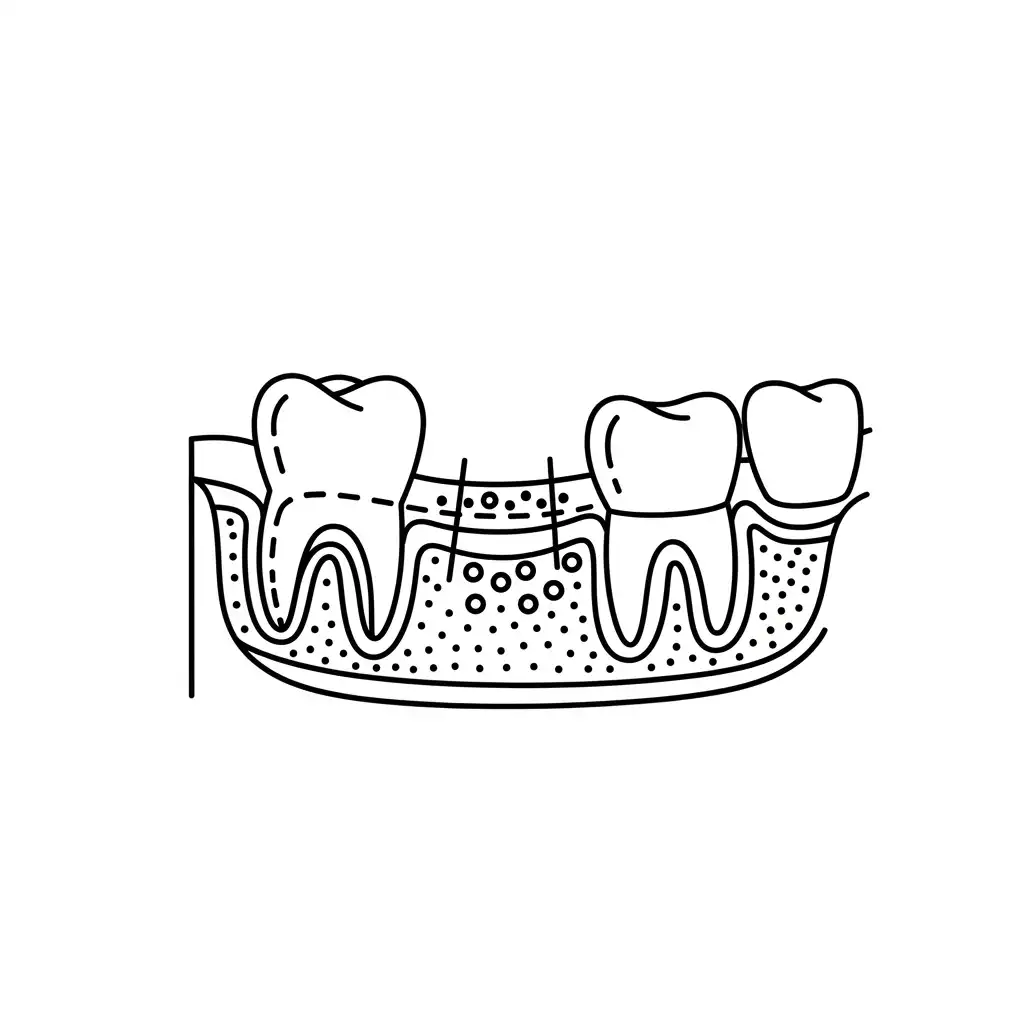
For millions of people worldwide, the loss of upper teeth triggers a catastrophic chain reaction. The maxillary bone (the upper jawbone) is significantly softer and more porous than the lower jawbone. When teeth are extracted, especially if decades have passed, this bone resorbs (melts away) at an alarming rate. Long-term denture wear accelerates this destruction by constantly eroding the fragile bony ridge.
Eventually, the bone becomes so thin and the sinus cavities drop so low that there is literally no foundation left to hold standard dental implants. Historically, patients in this advanced stage of bone atrophy were told they were simply “not candidates” for fixed implants. Their only option was a lifetime of highly uncomfortable, loose dentures, or undergoing massive, painful bone harvesting surgeries from the hip or skull—procedures that took over a year to heal and offered low success rates.
Enter the Zygomatic Implant, one of the most remarkable and life-changing advancements in Maxillofacial Surgery. By thinking outside the jawbone, this revolutionary technique anchors extra-long titanium implants into the incredibly dense, stable bone of the cheek (the zygoma), providing an immediate, permanent foundation for a full set of teeth. At Anatolia Smile, we specialize in this complex procedure, offering a second chance at a beautiful, functional smile.
2. Anatomy and Engineering: How Zygomatic Implants Work
To understand why this procedure is so revolutionary, one must look at the anatomy of the human skull.
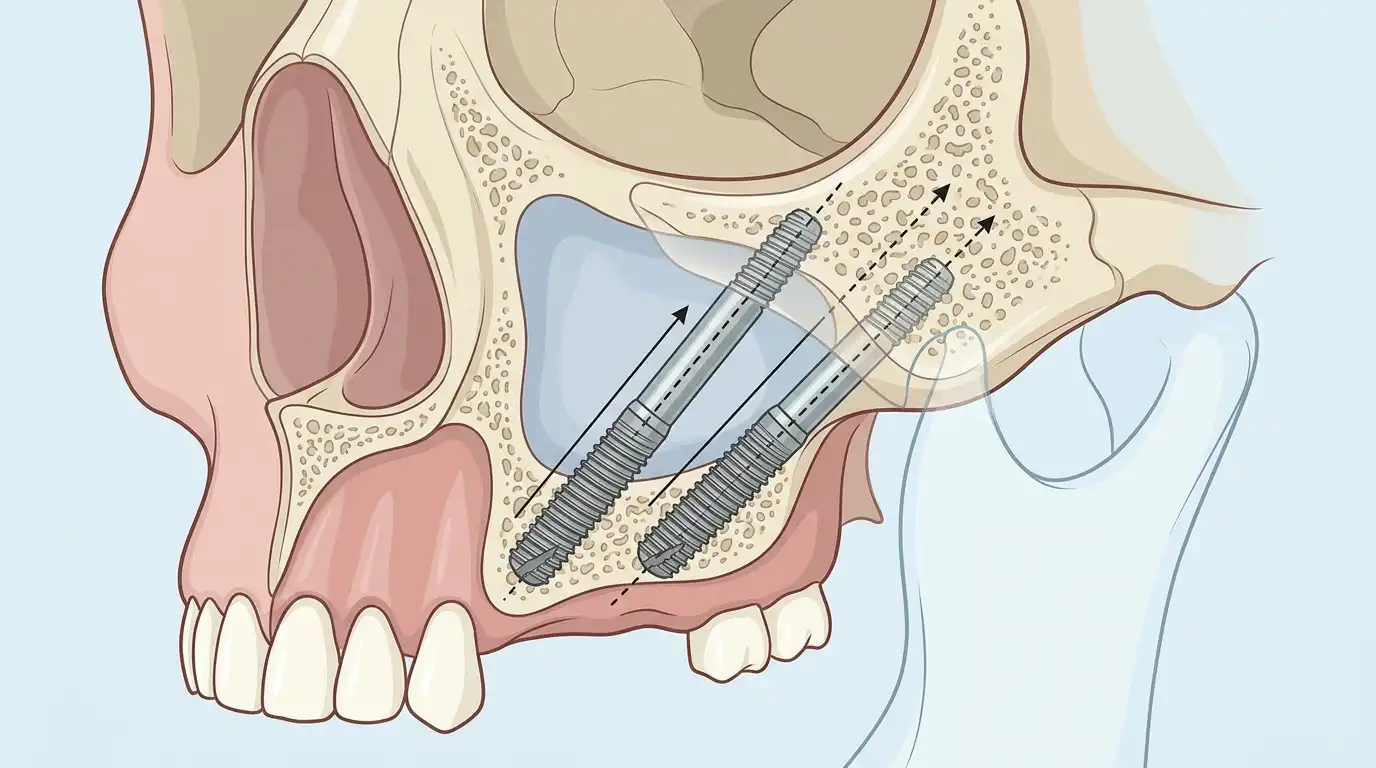
The upper jawbone (maxilla) is structurally designed to hold teeth, but it is not inherently strong bone. Just above it sits the maxillary sinus (a hollow pocket of air). By contrast, the Zygomatic Arch (cheekbone) is dense, cortical bone. It is an evolutionary anchor point for powerful facial muscles and does not resorb or melt away, regardless of age or how many teeth have been lost.
The Engineering Marvel: Standard dental implants resemble small screws, roughly 10mm in length. A Zygomatic implant is a smooth, elongated titanium post ranging from 30mm to 55mm in length.
During the surgical procedure, the maxillofacial surgeon expertly guides this long implant starting from the mouth (where the teeth used to be), navigating it carefully adjacent to or through the sinus space, and rigidly anchoring the tip deep into the solid cheekbone.
This creates a biomechanical bridge. The implant bypasses the weak, failing jawbone entirely and relies 100% on the unyielding strength of the cheekbone for its total support.
3. The “Quad Zygoma” vs. Hybrid Approaches
Depending on the severity and location of your bone loss, our surgical team will determine the ideal configuration to support your new upper bridge.
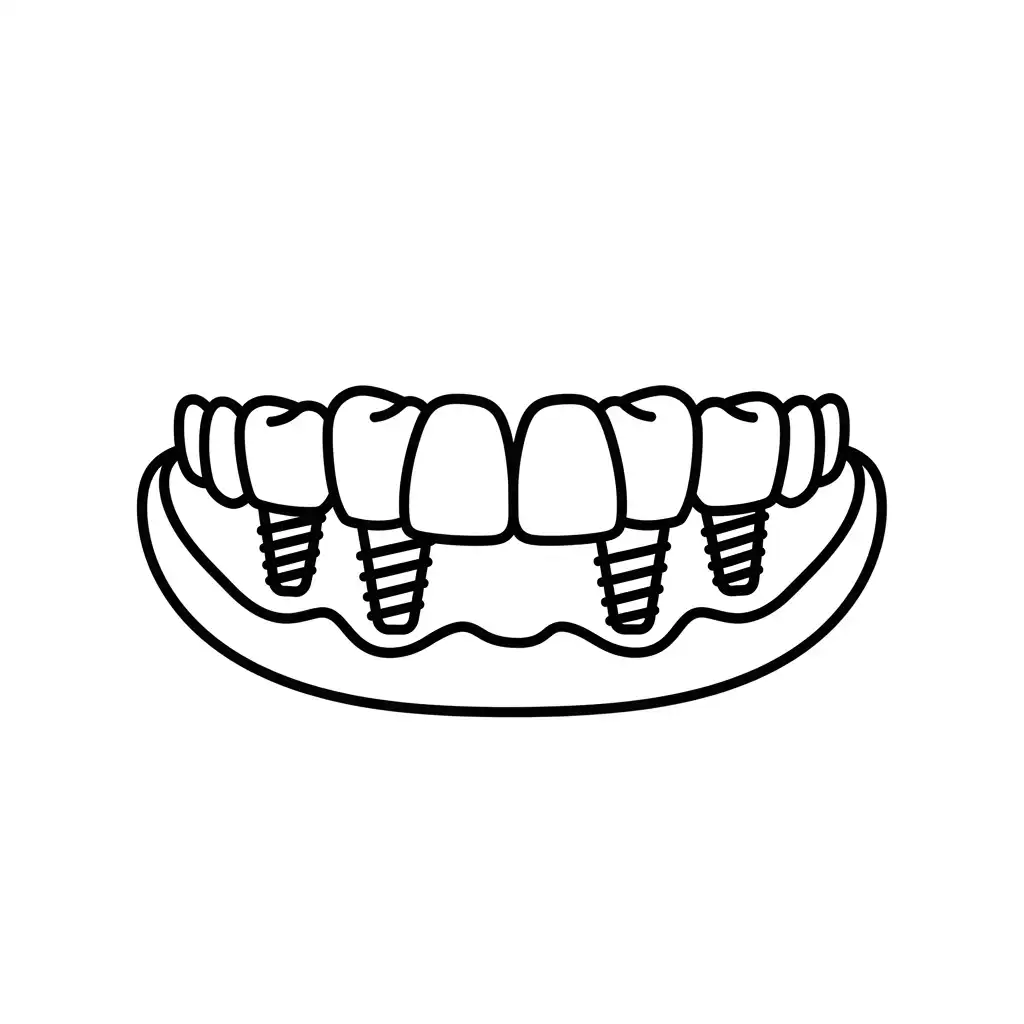
- The Hybrid Approach (2 Zygomatic + 2/4 Standard): In many patients, the bone in the very front of the upper jaw (under the nose) is still adequate, while the bone in the back (under the sinuses) is gone. In this scenario, we place two standard implants in the front and one Zygomatic implant on each side in the back. This provides an incredibly stable foundation.
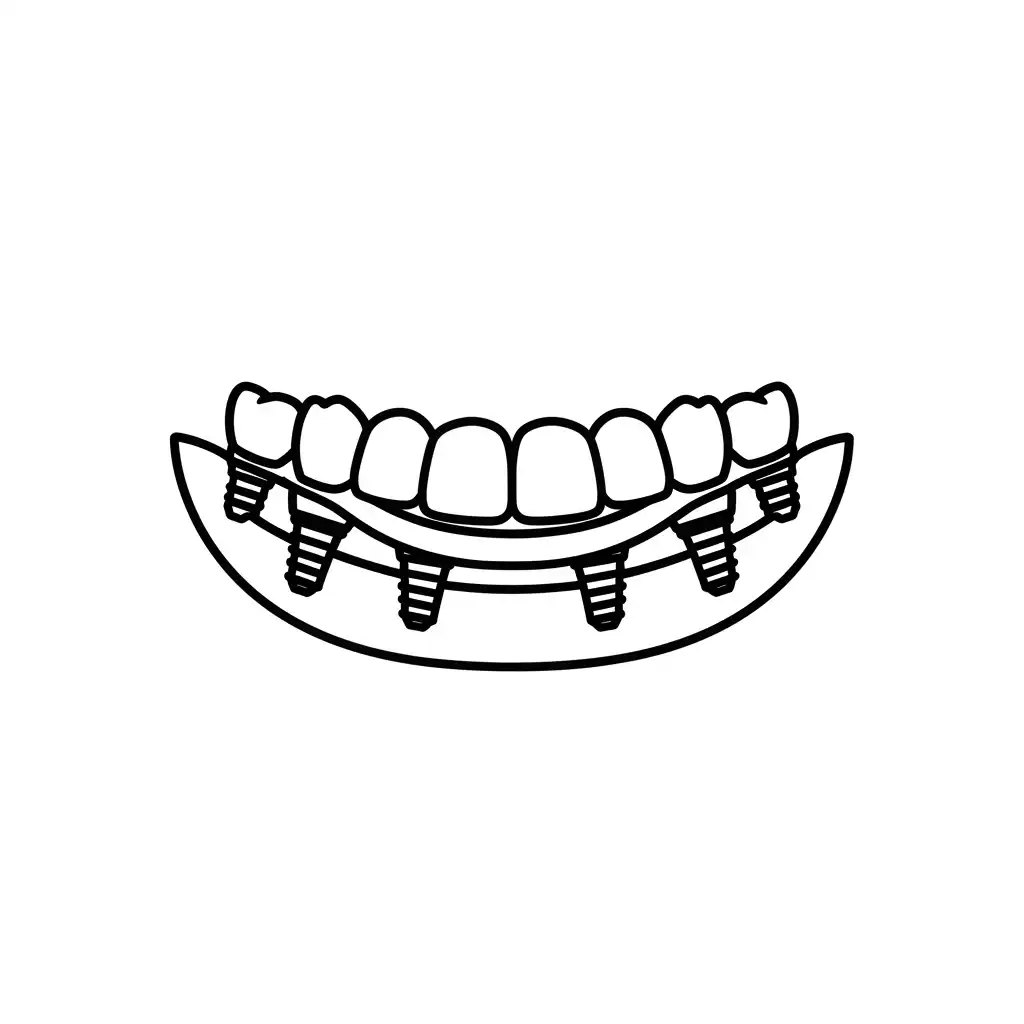
- The “Quad Zygoma” Approach (4 Zygomatic Implants): For patients with the most extreme, advanced bone loss across the entire upper jaw—where even the front bone is completely dissolved—we utilize the Quad Zygoma technique. This involves placing two Zygomatic implants into the left cheekbone and two into the right cheekbone. This acts as an “All-On-4” entirely supported by the cheeks, requiring zero jawbone at all.
4. The Surgical Protocol at Anatolia Smile
Zygomatic implant surgery is a highly specialized, advanced procedure that bridges the gap between dentistry and maxillofacial surgery. It is only performed by our most elite, extensively trained surgical specialists.
Phase 1: 3D Virtual Navigation This procedure demands absolute precision. We utilize advanced Cone Beam CT (CBCT) scanning to capture a high-definition 3D model of your entire skull. Using dedicated software, the surgeon maps the exact trajectory of the implants, ensuring they safely avoid the orbit (eye socket) and securely engage the maximum amount of cheekbone.
Phase 2: The Surgical Experience Due to the profound nature of the surgery, it is performed under deep intravenous (IV) sedation or general anesthesia provided by an anesthesiologist. You will be completely asleep and unaware of the procedure. Working entirely from inside the mouth (leaving no facial scars), the surgeon executes the digital plan, securing the long implants into the zygomatic arches.
Phase 3: Immediate Teeth (Same-Day Loading) The anatomical density of the cheekbone is so great that a Zygomatic implant achieves immense “primary stability” the moment it is placed. Unlike standard implants that might need to be buried under the gums for months to heal if the bone is soft, Zygomatic implants are strong enough to use immediately.
While you wake up from surgery, our laboratory team finalizes a beautiful, fixed, temporary acrylic bridge. We securely screw this bridge onto your new implants. You enter the clinic with no teeth (or a loose denture) and leave that afternoon with a fixed, stunning smile.
Phase 4: The Final Masterpiece After roughly 6 months of healing—during which you eat a soft diet to allow the gums to shape and the implants to fully integrate—you return for the final stage. We take new digital impressions of your fully healed mouth and fabricate an ultra-strong, permanent bridge milled from Solid Zirconia or Porcelain-infused-Titanium, built to last a lifetime.
5. Profound Benefits Over Traditional Bone Grafting
For patients with severe atrophy, the traditional route involved removing massive blocks of bone from their hip (iliac crest) or skull and grafting it to the upper jaw.
Compared to this outdated, brutal method, Zygomatic Implants offer undeniable, life-changing advantages:
- Saves 1 to 2 Years of Your Life: Major bone grafting requires a year of healing before implants can even be placed, meaning patients are without teeth (or wearing painful dentures over raw gums) for incredibly long periods. Zygoma provides teeth on day one.
- Higher Success Rates: Massive bone grafts have a high failure rate as the body often resorbs the transplanted bone. Zygomatic implants have a globally documented success rate of over 95%.
- One Surgery vs. Multiple: Zygomatic treatment is generally completed in a single surgical intervention, whereas bone grafting requires multiple major surgeries.
- Dramatically Lower Costs: By avoiding hospital stays for hip grafts and multiple surgical phases, the total cost of a Zygomatic implant protocol is often significantly less than full-arch reconstructive bone grafting.
6. Post-Operative Expectations and Care
While the surgery is complex, the recovery is highly manageable when following our strict protocols.
The First Two Weeks: Because we are working higher up in the facial structure, significant facial swelling and some bruising (often resembling a black eye) are entirely normal and expected for the first week. Pain is generally mild to moderate, well-managed with prescription analgesics, and resolves quickly. You must stick to a strict liquid or very soft diet (soups, smoothies, mashed potatoes) to avoid applying lateral torque to the healing implants.
Long-Term Maintenance: Once your final Zirconia bridge is placed, maintaining your Zygomatic implants requires the exact same dedication as standard All-On-4 or All-On-6 systems. The titanium implants cannot decay, but the gums sealing them can become infected if food debris is left behind.
You must diligently use a high-powered water flosser (Waterpik) twice daily to blast away plaque from beneath the bridge, alongside specialized superfloss threaders. Most importantly, you must visit a local dental hygienist every 6 months for professional maintenance and X-rays to ensure the long-term health and success of your magnificent new smile.